Microtrends that matter for food and beverage brands
In This Post
In the world of food and beverage marketing, small, intimate moments are going viral – and brands are leaning into microtrends to tap in. This post explores how faux dinner-date shows, mukbangs, and shared-meal content are reshaping how we connect with food online.
In other words, these formats are no longer just fun content experiments – they’re powerful food and beverage marketing trends. For brands, understanding which food and beverage microtrends to lean into (and which to skip) is now a crucial part of smart food and beverage branding.
Recently, it seems that food and beverage brands are attempting to leverage the intimacy of sharing a meal with someone as a viable marketing tactic. From dinner-date style celebrity interviews to mukbangs churned out to promote an influencer’s side business, sharing a meal has become a viral format for marketing content. I couldn’t help but wonder who’s doing it right, why it works when it does and how it can go wrong.
Why faux dinner date shows work so well in food and beverage marketing
The intimacy of a dinner party has long been cherished: conversations with friends around the dinner table, family dinners and holiday soirees. In recent years, influencers and brands have attempted to translate the sense of intimacy and connection that’s inherent to shared mealtimes into successful partnerships, ad campaigns and entire businesses.
There are YouTube shows like Hot Ones, in which guests eat increasingly spicy chicken wings while Complex host and producer Sean Evans grills them with escalating personal questions, and Chicken Shop Date, in which affably awkward Amelia Dimoldenberg goes on pseudo-dates with her celebrity guests. The success of these chicken-centric programs is contingent on the fact that these shows break the fourth wall. Guests are disarmed by brain-tingling spice, knocked off their PR game, and they’re charmed by Amelia’s quirky, real-girl-sitting-with-an-A-lister banter.
Breaking the fourth wall: how food and beverage brands use relatability in marketing
Prior to this sort of viral video content, the OG influencer (reality show stars) were harnessing the power of relatable personal brands to market their side businesses. Take Bethenny Frankel and Harry Hamlin of Real Housewives notoriety, for example. Bethenny Frankel, a former RHONY, launched SkinnyGirl during her run on the show: a diet-culture driven line of margarita mix and various snacks (like popcorn). In 2011, she sold the company to Beam Global for $120 million.
Frankel’s persona as a housewife was brazen and outspoken — love her or hate her, I’m sure that you’ve heard of her (personally, I think that she’s a little kooky, but I enjoy her TikToks). Similar to Blake Lively’s attempt to capitalize on her iconic lush hair with a line of shampoos, Frankel capitalized on her Bravo-lebrity fame to launch a business, by launching a product that aligns with her (sometimes controversial) personal brand.
Emma Chamberlain took a similar approach, with her eponymous coffee company, Chamberlain Coffee. In Emma Chamberlain’s YouTube videos (she rose to fame as a teenage YouTuber), she’s constantly drinking coffee, chatting to the camera while tamping espresso. The product is good (Chamberlain Coffee consistently gets solid reviews) and the brand feels authentic to her. For lack of a better phrase, she crushed it.
Harry Hamlin, an actor known for his role in 80s and 90s movies and more recently on Mad Men, is married to Lisa Rinna. Rinna is a former RHOBH star who, like Frankel, was a polarizing figure, both adored and scorned. I’m a huge Housewives fan (hi, Andy Cohen) and I LOVE Lisa Rinna. She and Harry have a very cute YouTube podcast called Let’s Not Talk About the Husband, btw.
On RHOBH, Hamlin was seen as a supportive husband, loving father and overall caregiving figure. He frequently cooked dinner for his family, and Rinna would perkily quip that his pasta sauce was unreal to anyone who would listen. In 2023, Hamlin launched “Harry’s Famous Sauce,” which seems to be doing quite well — it was incorporated into an LLC last year (Frankel, incidentally, has promoted the sauce on her TikTok).
What are food and beverage marketing microtrends, exactly?
Before we get into who’s winning and who’s flopping, it helps to define what we mean by food and beverage marketing microtrends. Think of microtrends as the small, fast-moving waves inside a much bigger tide. “Better-for-you snacks” or “functional beverages” are macro trends; a specific obsession like protein popcorn, a certain canned latte aesthetic, or a hyper-specific dinner-date show format are microtrends.
Microtrends usually live where culture, the algorithm and our cravings meet. In food and beverage marketing, they show up as ultra-specific content formats (like faux dinner dates or mukbangs), recurring jokes or sounds on TikTok, niche product claims, or a particular visual language that suddenly feels like it’s everywhere. They’re the little cues that tell people, “This brand gets what my corner of the internet is into right now.”
For food and beverage brands, microtrends matter because they’re often where real-time relevance happens. They give you low-risk ways to experiment with new stories, formats and partnerships without overhauling your entire brand strategy. You can play in a microtrend through a limited drop, a social series or a collab — and if it resonates, you build on it. If it doesn’t, you move on quickly.
In this post, we’re zooming in on one particular cluster of microtrends: intimate, shared-meal content formats — faux dinner-date shows, mukbangs, and all the ways people are inviting audiences to “pull up a chair” to their table online.
What’s the difference between a successful food and beverage marketing campaign and one that misses the mark?
So why are these shows and businesses booming? Aside from tapping into mealtime as a moment to be shared — with your favourite branded condiments at the table, or by watching your favourite YouTube talk show — they also harness a critical element: relatability.
New York Magazine publishes a weekly “Approval Matrix,” pinpointing relevant pop culture moments on an axis of Highbrow, Lowbrow, Brilliant and Despicable. I’ve noticed a pattern here — most of the content that the internet deems as cool and loveable falls between Lowbrow and Brilliant. It’s relatable and smart, charming and catchy. This axis is where these sorts of shows, brands and businesses tend to fall.
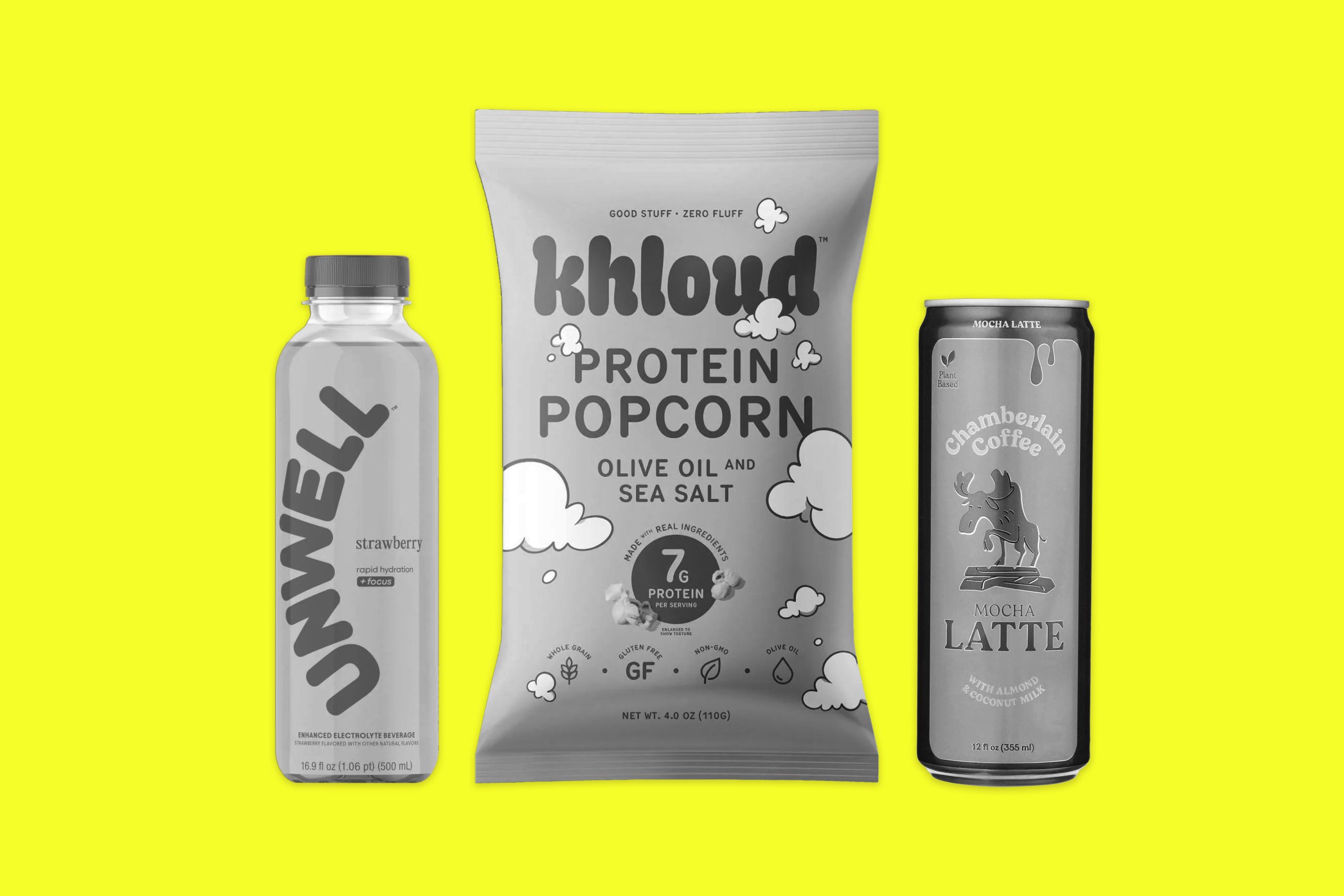
While there are brands that have successfully tapped into this personable food and beverage space, there are others, like Khloe Kardashian’s recent protein popcorn line “Khloud,” that have failed. Whether Khloud is failing economically, I have no idea, but in terms of product reviews, messaging, branding and tone, it missed the mark. In a recent article, The Cut reviewed Khloud, summing up the brand’s questionable identity succinctly:
“It all begs the question: Does popcorn need more protein?”
The article cites the snack’s tagline: “good stuff, zero fluff.” From a marketing perspective, the copy seems ChatGPT generated — coupled with Kardashian’s Instagram face and perfectly toned arms and tightly-slicked, scalp-pulling ponytail, seen in a product shot where she fake eats Khloud, the entire enterprise reeks of a business idea generated in an ultra-mod board room, one that Kardashian signed off on. Khloud, I suspect, will continue to flop, because not only is it “dry and dusty,” as The Cut article described, it lacks any semblance of personability or authentic connection that drives consumers to subscribe to celebrity brands.
Another celebrity food and beverage business that missed the mark is Unwell Hydration, Alex Cooper’s electrolyte drink company. On TikTok, she opens her fridge to Unwells lined up in rows of colour-coordinated rainbows, grabbing a bottle with a hoodie and sunglasses on, heading up to bed “hungover.”
In theory, the business makes perfect sense for Cooper, who has built her brand around girls who like to party and aren’t afraid to say so. But as Alex ascends beyond millionaire status as a married businesswoman living in a luxe LA mansion, her relatability factor has dropped — something that I believe she’s attempting to boost with the Facetime-with-a-friend-esque content she posts on her TikTok page. For viewers like myself, who were aware of Call Her Daddy (Cooper’s podcast) in its earliest iteration, as two girls in their sweats laughing their way through R-rated conversations, the party-aesthetic meet ups and cutesy Unwell branding and alleged hangovers documented on TikTok feel a little . . . forced. And that’s ok! Alex is doing well, and it makes sense that the 20-something, partying lifestyle that catapulted her to success doesn’t align with her stable, healthy life today. That being said, I won’t be buying Unwell Hydration when I’m hungover (I’m going for the ROAR Organic).
How to make your food and beverage brand connect with your audience (and ride microtrends well)
When it comes to food and beverage marketing, it’s important to tap into the microtrends of the moment in a way that feels authentic. Audiences online are smart, and they can suss out content that feels contrived.
If you’re a food and beverage business trying to turn microtrends into real loyalty, it helps to have a partner who lives in this world every day. Arnold Street is a digital marketing agency in Toronto and creative agency that works with food and beverage brands to turn smart insights into campaigns, content, and branding that actually resonate. Our digital marketing services blend cultural trend-spotting with grounded, long-term strategy.
Whether you’re looking to launch a new product, a campaign or re-vamp your socials, if you’re a food and beverage business looking to boost your branding and speak to your target audience in a way that’s authentic to your key messaging, we can help.
FAQs
Which came first, the chicken or the new popular YouTube talk show format? It’s not the chicken that makes viral food content and these shows so compulsively watchable, it’s the casual setup and nature of the fourth-wall breaking celebrity interview format.
Craving connection is what makes us human! All good advertising stems from tapping into our core desires and harnessing them to tell a story about a product, brand or idea.
It should be authentic, with relatable messaging that people can believe in. Plus good branding never hurts — when in doubt, go with evergreen designs over super-trendy aesthetics.
The best food and beverage marketing content leans into microtrends without abandoning your core brand story.
The short answer: start with your brand, not the trend. The food and beverage marketing microtrends worth playing with are the ones that naturally intersect with what you sell, what you stand for and who you’re talking to. If your brand is built around slow, mindful eating, you probably don’t need to chase every chaotic, high-energy food challenge that hits TikTok. If you’re all about bold flavours and personality, leaning into loud, playful formats might be exactly right.
Instead of copying a format frame-for-frame, ask: What’s the human truth behind this microtrend, and how does our brand connect to it? For faux dinner-date shows, the truth is that people want to feel like they’re sitting across from someone real. For mukbangs, it’s about shared indulgence and intimacy. Build your content around that truth, then make styling, scripting and casting decisions that sound and look like your food and beverage brand — not a generic version of the trend.
Finally, treat microtrends as experiments, not new identities. Use them in limited series, collabs or one-off campaigns, and watch how your audience responds. If a particular food and beverage marketing format clearly resonates and still feels authentic to your brand, you can fold it into your ongoing content mix. If it doesn’t, you can walk away without confusing people about who you are.